What WestJet learned about building digital experiences people trust
An AI-powered experience can deliver the right information and still leave customers confused, frustrated, or unwilling to use it.
That's a problem for any business investing in AI assistants, copilots, or automated customer experiences. Technical performance matters, of course. But so does what happens when a real person tries to use the technology.
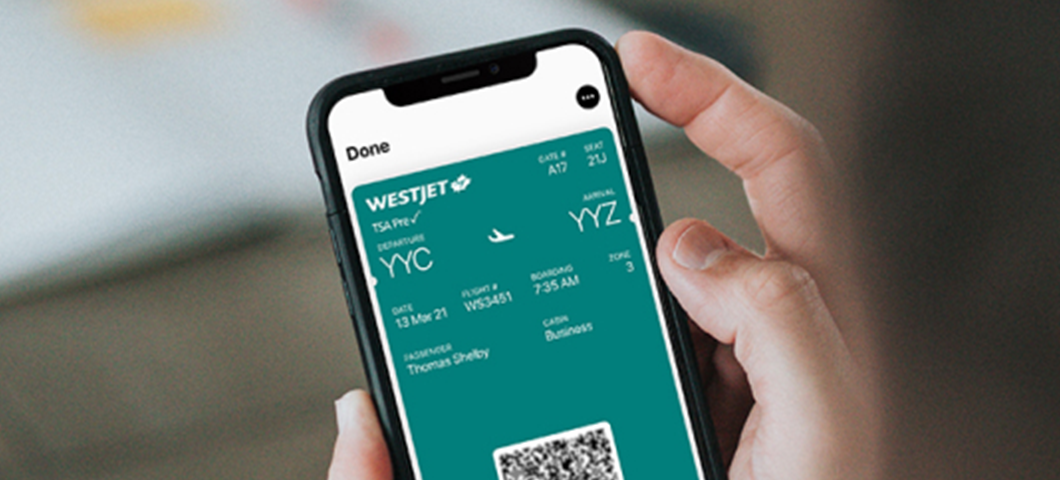
Canadian airline WestJet confronted a version of this challenge while improving its digital guest experience. With millions of passengers relying on its website and mobile app, the airline wanted to make travel less stressful by giving customers clearer, more useful information.
The solution wasn't simply adding more technology. It was understanding how people experienced what WestJet had already built.
When accurate information isn't enough
Air travel creates plenty of uncertainty. Travelers want to know what to expect, what they need to do, and whether they're prepared for their journey.
WestJet had developed digital resources to answer those questions, including a safety information page. But the airline recognized gaps in its understanding of how customers experienced that information.
Working with UserTesting, an Auros company, WestJet gathered direct feedback from travelers, comparing its digital experiences with those of competitors.
One finding stood out.
Customers understood the information more easily when it followed the sequence of their actual journey: arriving at the airport, going through security, and boarding the aircraft.
Rather than organizing content around internal topics, WestJet reorganized it around what travelers needed to know and when.
A relatively straightforward change. But one with measurable consequences.
Human feedback changed the outcome
After testing improvements to its safety information page, WestJet reported a two-point increase in content clarity on a 10-point scale.
More importantly, 90% of guests who reviewed the page said they felt confident flying with WestJet.
That distinction matters. The airline wasn't simply measuring whether customers could find information. It was learning whether that information helped people feel prepared and confident.
The broader customer story also describes how WestJet used human feedback to improve its voice-assistant experience, including questions about baggage fees and restrictions.
Customers sometimes received inaccurate information from third-party sources. Research helped WestJet identify these gaps and develop a baggage-size calculator within Google Assistant to provide more accurate, up-to-date information.
The lesson for AI developers: Evaluate the experience, not just the answer
For AI Labs and Enterprise AI teams, WestJet's experience illustrates an important distinction between technical correctness and real-world usefulness.
An AI assistant might retrieve accurate information, complete a task, or generate a plausible response. But those capabilities don't necessarily mean someone understands the answer, trusts the system, or knows what to do next.
Consider three questions worth asking before deploying a customer-facing AI experience:
- Understanding: Can people interpret the information and act on it?
- Trust: Does the experience give people appropriate confidence in the system?
- Outcome: Does interacting with the system actually help people accomplish their goals?
These are questions that automated performance metrics alone cannot fully answer. They require evidence from people using the experience in realistic situations.
And that evidence needs to inform development, not simply confirm decisions after launch.
The competitive advantage is human understanding
Natalie Farand, who leads WestJet's digital channel product management team, offered a perspective that applies well beyond aviation.
"We all have access to the same technology," she said.
What differentiates companies, she explained, is the experience they create and the care they deliver to customers.
That's a useful challenge for organizations building AI-powered experiences.
As models and tools become more widely available, technical capability alone becomes a less reliable differentiator. Understanding the people who depend on those systems becomes more important.
WestJet's experience shows why human feedback belongs alongside technical evaluation.
The question isn't only whether your AI can do the job. It's whether people can confidently accomplish theirs.
Read the full WestJet customer story on UserTesting